Phuket · Living here
Do You Need Health Insurance in Phuket? An Uninsured Resident's Honest Take (2026)
The one thing that nags me about an otherwise comfortable Phuket life: I carry no health insurance. Here's the real math — what a hospital bill looks like, the three cover options, and who should actually gamble.
- My cover
- ฿0 — uninsured
- Serious private bill
- ฿100k–1M+
- Basic expat policy
- ~$700–1,120/yr
- What it takes
- 6-figure ฿, liquid
I live in Phuket and I ride uninsured — a deliberate gamble that keeps my monthly cost low, and honestly the one thing that nags me. A GP visit at a private hospital is only ฿800–2,000, but anything serious — surgery, a bad bike crash, an inpatient stay — runs ฿100,000 to well over ฿1,000,000, and private hospitals want payment before they discharge you. If you're visiting or newly here, cover is a far easier call than it is for me. The option I'd look at first is SafetyWing: Nomad Essential (travel-medical) ~$63 / 4 weeks, or Complete ~$177.50 / month — researched, not a plan I hold.
You can live comfortably in Phuket on a modest budget — I do. Cheap, good food; a newer condo with a pool; sunshine most of the year. But there's one line I leave blank that I think about more than I'd like: health insurance. I don't carry any.
This isn't a sales page telling you to panic-buy a policy. It's the honest math from someone who actually skips it: what a hospital here really costs, why I take the bet, and — if you'd rather not bet — the options that make sense and roughly what they run. If you're just visiting, the answer is easy (get cover). If you're moving here, it's the genuine judgement call I wrestle with myself.
What a hospital visit actually costs here
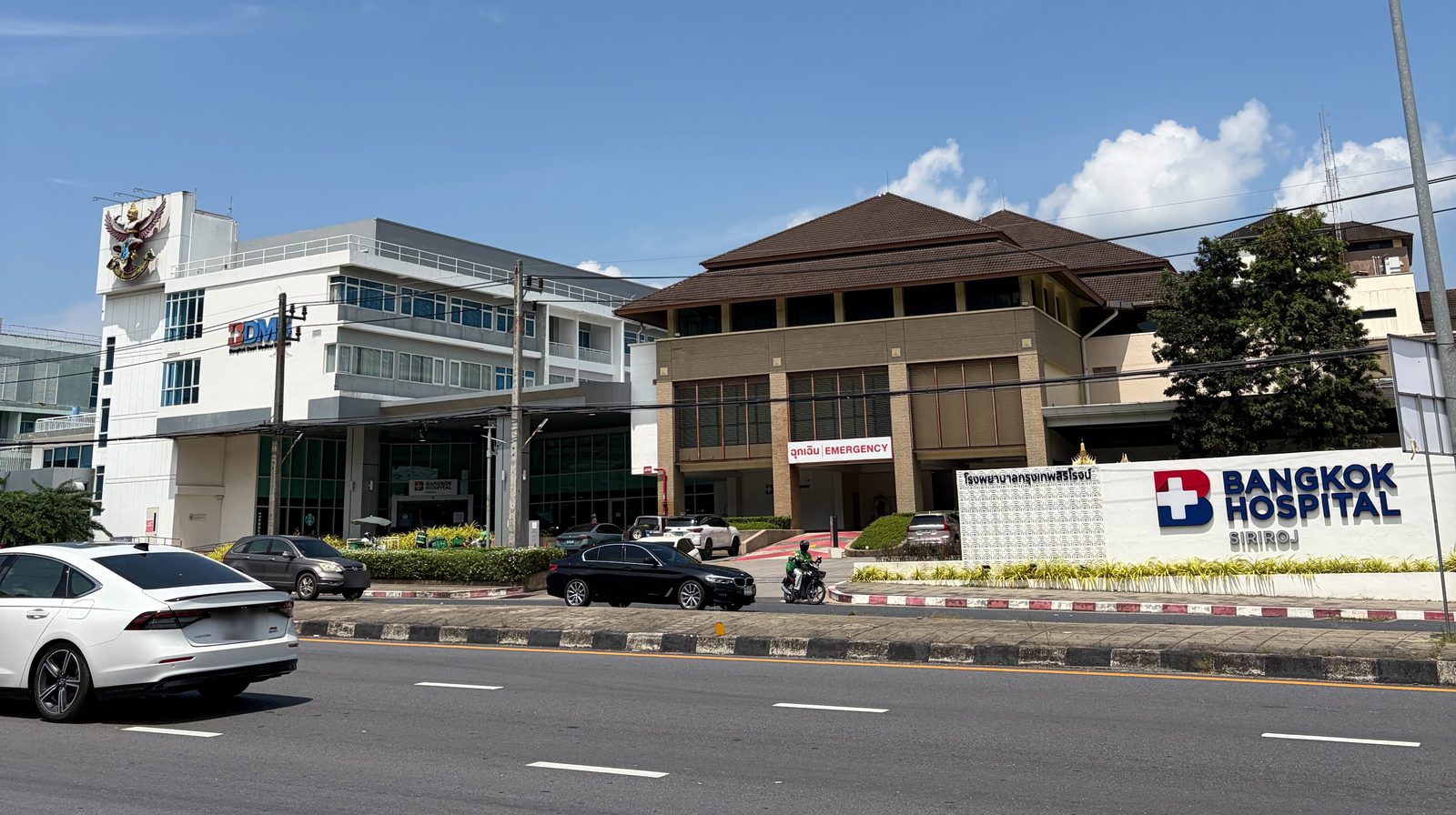
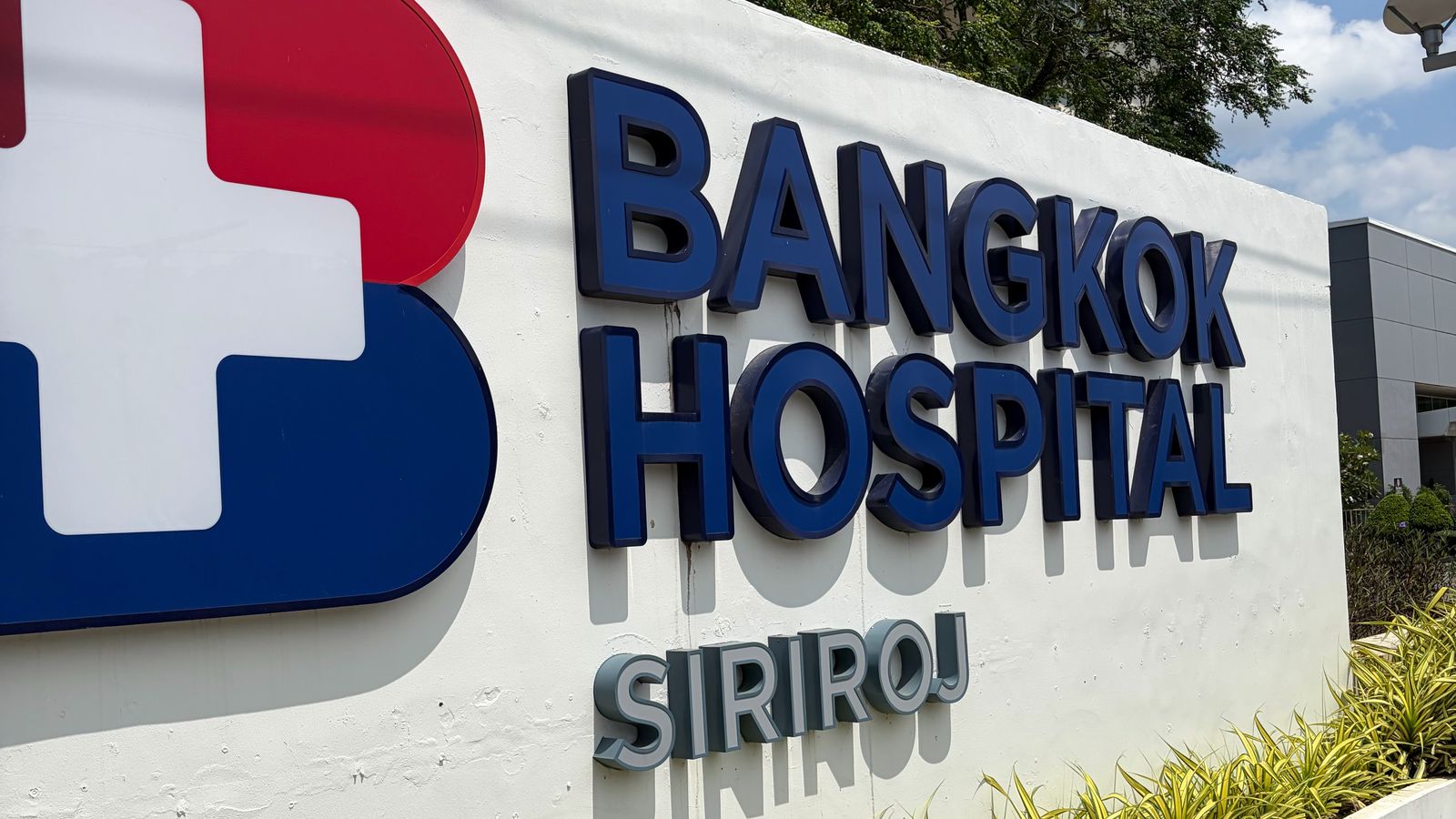
The reason insurance is even a question is that routine care in Thailand is cheap — cheap enough that paying out of pocket feels rational. At a private hospital (researched, Aug 2026):
- GP consultation — about ฿800–2,000
- Specialist — about ฿1,500–3,500
- ER visit — about ฿3,000–15,000, depending on what they do
At those numbers, a cough or a twisted ankle isn't worth an insurance claim — you just pay. That's exactly why so many long-stayers here quietly go without.
The trap is the tail. Anything serious — surgery, an inpatient stay, a bad motorbike accident, a medical evacuation — runs from ฿100,000 into the hundreds of thousands, and past ฿1,000,000 without much difficulty. And there's a detail people miss: private hospitals in Thailand expect payment before they discharge you. No insurer, no credit card on file, and they can hold your release until the bill is settled. Public hospitals are far cheaper, but slower, more crowded, and not where most foreigners end up in an emergency.
So the real question isn't "is healthcare expensive here?" — day to day it isn't. It's "could you write a ฿500,000–1,000,000 cheque tomorrow without it changing your life?" Your answer to that is your answer on insurance.
Why I ride uninsured — and what nags me
I'll be straight: I don't carry health insurance, and it's part of why my monthly number is low. My logic is simple and, I'll admit, a gamble:
- Routine care here is cheap enough to pay out of pocket if I ever need it.
- I'm young-ish, healthy, and solo — statistically the cheapest person to insure and the one least likely to need it.
- I keep a cushion liquid and untouched — enough to cover a six-figure baht bill tomorrow without selling or borrowing anything. That is what turns this from reckless into a calculated bet, and it is the part people skip when they copy the "I don't bother with insurance" line.
That's not "insurance is a scam." The small stuff here is cheap enough to pay out of pocket, so the bet is really only on the rare catastrophic event. Full honesty: I haven't set foot in a hospital here — the bet has simply held so far. But "held so far" is the whole point: the big stuff not happening isn't something I control. One bad ride, one bad scan, and my clever low number becomes the most expensive month of my life.
And "one bad ride" is not hypothetical for me. I ride a motorbike here — nearly everyone does — and Phuket's roads are thick with holidaymakers on rented scooters who barely ride at home. I ride carefully and defensively. It doesn't always matter. I've still had the heart-stopping moment where a rider drifted straight across my line and I only just slipped clear. That near-miss is the whole insurance question in a single second: if it had connected, a serious crash here is precisely the ฿100,000-to-฿1,000,000 bill I'd be settling out of my own pocket. I choose to ride that risk. Most people shouldn't.
I don't regret the choice yet. I also don't pretend it's advice. I'd never tell a visitor, an older mover, or anyone with a family to copy my risk profile.
And there is one part of this gamble that is specifically about being solo. If it goes badly, there is nobody here whose job it is to deal with it. No one to stand at the admissions desk, no one to ring the insurer, no one to decide anything for me while I'm not in a state to decide. Someone with a partner has a second set of hands and a second signature; alone, the cushion is not only money — it is the only thing that can act on my behalf when I can't. That is the argument that has come closest to changing my mind, and it is the one nobody writing young and healthy, skip the insurance ever makes. That is arithmetic rather than a mood, and it is the sharpest version of the practical cost of living here on your own.
If you want cover: the four routes
If you'd rather not carry the bet, here's the honest landscape long-stayers weigh — researched 2026, signposting not personal endorsement, since I don't hold these. Get a live quote for your own age and health; the SafetyWing plans are the ones I'd price first, with Genki the obvious rival to compare them against.
| Route | ~ Monthly (2026) | Who it fits |
|---|---|---|
| SafetyWing Nomad Essential — travel-medical | ~$63 / 4 wks | Visitors and early stays — low-commitment |
| SafetyWing Complete — fuller health | ~$177.50 | Nomads wanting ongoing routine + emergency cover |
| Genki — nomad travel-medical, SafetyWing's main rival | ~$56 / 4 wks | Worth comparing head-to-head; no health pre-check to start |
| Local Thai — AIA · Bupa · Aetna | ~$100–200 | Settled here, plugged into local hospital networks |
| Global expat — e.g. Cigna Global | ~$200–900 | Older applicants, families, chronic conditions; direct billing at big hospitals |
As a rule of thumb, a basic inpatient-only expat policy runs about ฿25,000–40,000 a year (~$700–1,120) — which, set against a single six-figure bill, is the whole argument for buying it. Premiums climb steeply with age, so the gamble gets worse value every year you get older. That's the maths that keeps nagging me.
One clause matters more here than any price: motorbike cover. Plenty of travel policies won't pay for a scooter accident unless you hold a valid motorcycle licence and stay within the engine-size limit — and a bike is exactly how most foreigners get hurt in Phuket. A policy that excludes the single thing most likely to injure you isn't cover, it's decoration. Whatever you're quoted, read the motorbike clause before you read the price. If you live here and ride, the cheapest way to stop that clause being a problem is getting the Thai licence.
So — should you insure?
Strip away the noise and it's one honest question: can you absorb a catastrophic bill out of pocket, in baht, on short notice?
- If you're visiting — insure, every time. It's a few dollars a day against a trip-ending bill, and you don't yet have the local footing to wing it.
- If you're moving here and you're older, have a family, a condition, or thin savings — insure. The bet is not in your favour.
- If you're young, healthy, solo, and genuinely sitting on a cash cushion you could throw at a hospital tomorrow — you can do what I do. Just do it with open eyes, keep the buffer real, and revisit the decision every birthday.
That's the whole of it. I ride uninsured because I fit the last bullet and I've accepted the bet. Most people reading this don't — and for them, the boring answer is the right one.
Before you buy
Insurance is a money-and-health decision, so treat these as researched starting points, not advice: get a live quote for your own age and health before you commit, read what's actually covered (evacuation, pre-existing conditions, the deductible), and keep an emergency baht buffer either way. And remember it's just one line in the bigger picture — see exactly where it sits in my full Phuket cost-of-living breakdown. What I've laid out is the honest shape of the decision — the number that fits your life is yours to run.
01Insure or gamble — who should do which
Visitors and the newly-arrived, anyone 40+, anyone with a family or a health condition, and anyone who couldn't absorb a ฿1M bill without it hurting. For a short trip the sums are tiny next to the downside — one serious ER episode or evacuation dwarfs years of premiums. If a hospital bill would derail your finances, you're not gambling, you're exposed. Insure.
Young, healthy, solo, with a real cash cushion and clear eyes about the risk — that's me. Routine care here is cheap enough to pay out of pocket, so the bet is only on the rare catastrophic event. It's a legitimate choice *if* you can genuinely cover a six-figure baht bill tomorrow. If that sentence made you wince, you're in the row above.
02The cover I'd reach for first
If you'd rather not bet like I do, the plan travellers and nomads here reach for is SafetyWing: Nomad Essential (travel-medical, for trips and early stays) runs about $63 / 4 weeks for ages 18–39, and Complete is closer to full health cover at roughly $177.50 / month. Researched — not a plan I hold as a resident — so get a live quote for your age before you buy.
Frequently asked questions
- Do you need health insurance to live in Phuket?
- Legally, as a long-stay resident on most visas, no — it isn't forced on you, and I don't carry it. Practically, it depends on whether you could pay a six-figure baht hospital bill out of pocket. Routine care is cheap; a serious inpatient stay or evacuation can run ฿100,000 to over ฿1,000,000, and private hospitals expect payment before discharge. If that would sink you, insure.
- How much does a hospital visit cost in Phuket without insurance?
- At a private hospital, a GP consultation is about ฿800–2,000, a specialist ฿1,500–3,500, and an ER visit ฿3,000–15,000 depending on treatment (researched, Aug 2026). Anything serious — surgery, an inpatient stay, a bad accident — climbs into the hundreds of thousands of baht and beyond. Public hospitals are far cheaper but slower and more crowded.
- What does travel or health insurance cost for Thailand?
- Rough 2026 monthly figures: nomad/travel-medical plans (e.g. SafetyWing Nomad Essential ~$63 per 4 weeks for ages 18–39, or its main rival Genki ~$56); SafetyWing Complete about $177.50/month; local Thai insurers (AIA, Bupa, Aetna) roughly $100–200; global expat plans (e.g. Cigna) $200–900. A basic inpatient-only expat policy runs about ฿25,000–40,000 a year ($700–1,120). All researched — get a live quote for your age and health.
- Does travel insurance cover motorbike accidents in Thailand?
- Not automatically — and this is the clause that matters most here. Many policies only pay out for a scooter or motorbike accident if you hold a valid motorcycle licence (home or international) and the bike is within a stated engine-size limit, and some exclude bikes entirely. Since a motorbike is how most foreigners get hurt in Phuket, check that specific clause before you buy anything — a cheap policy that won't cover a bike crash is no bargain.
- Why do you personally go without health insurance?
- It keeps my monthly number low, and routine care here is cheap enough to pay out of pocket if I ever need it — honestly, I haven't needed a hospital here yet. I'm betting on staying healthy, and I keep a cash cushion I could throw at a hospital tomorrow for exactly the case where I'm wrong. I'm upfront that it's a gamble — the one thing about my setup that nags me — and I'd never tell a visitor or an older mover to copy it.
- Should a tourist or short-term visitor get insurance for Phuket?
- Yes — for a visitor it's an easy call. You're only paying for a few weeks, you don't have the local know-how or cash buffer a resident builds up, and one bike accident or ER visit can cost more than the entire trip. Travel-medical cover (like SafetyWing Nomad Essential) is built exactly for this.
- Can foreigners use public hospitals in Thailand?
- Yes — government hospitals will treat foreigners and are far cheaper than private ones. The trade-offs are longer waits, more crowding, and less English, so most expats default to private hospitals for anything urgent — which is exactly why the private-hospital bill is the number that matters for the insurance decision.
- Does the DTV or Thailand Elite visa require health insurance?
- Thailand Elite doesn't require health insurance, and the DTV isn't centrally mandated to — though some embassies ask for cover (often around $50,000) at application, so check yours. That's unlike the retirement O-A and the LTR visas, which do legally require a policy (researched 2026). So on the options most people weigh, cover is largely your choice — which is why this decision lands on you. See the trade-offs in my Thailand Elite vs the DTV guide.