Phuket · Living here
Thailand Elite vs the DTV in 2026: ฿1,500,000 or ฿10,000 — I Hold the Expensive One
The real question isn't 'is Elite good' — it's Elite (฿1.5M) or the DTV (฿10,000)? I hold Elite; here's my side firsthand, and the DTV laid out so you can decide.
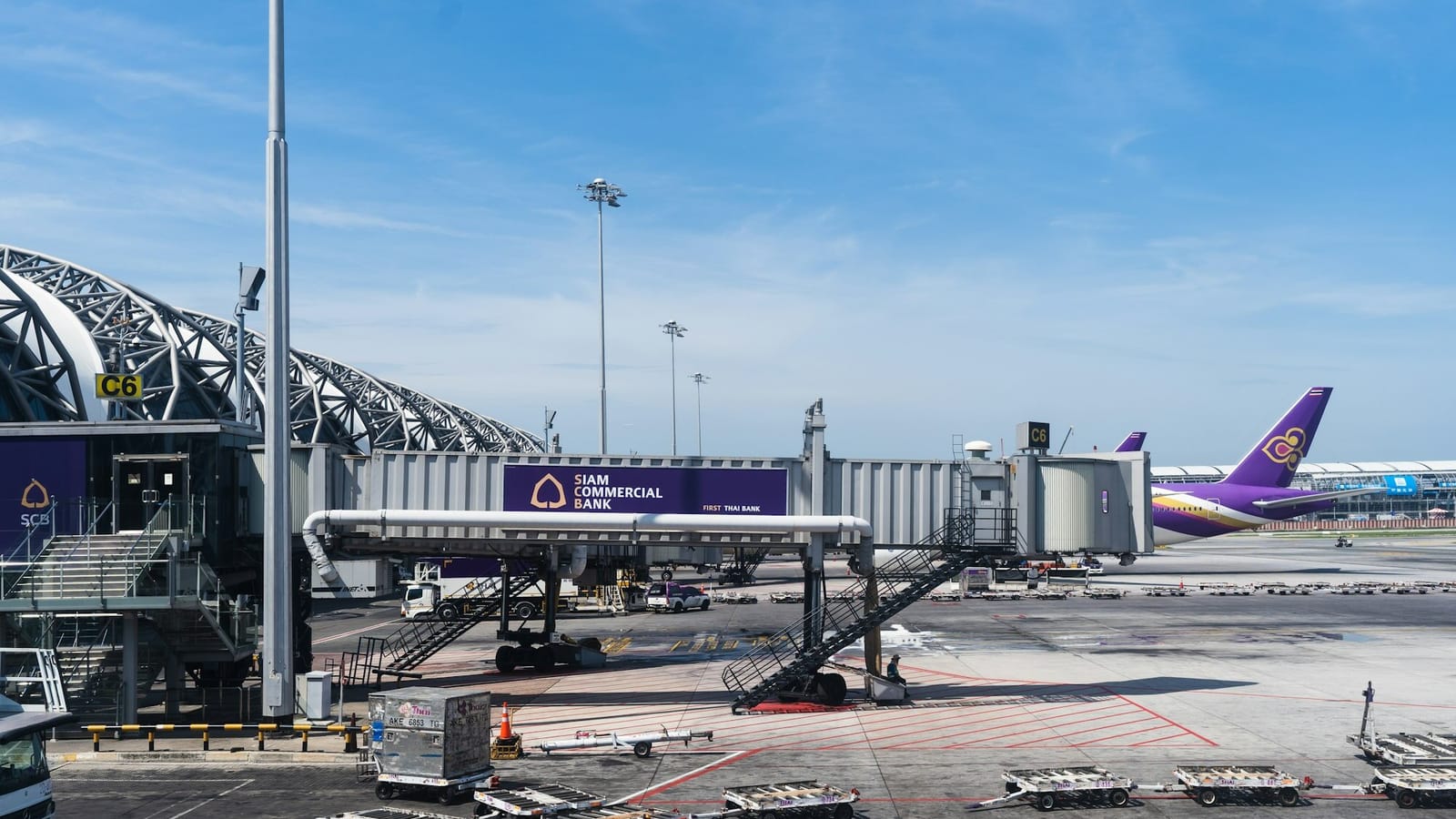
- My tier
- Platinum · 10 yr
- Elite (Platinum)
- ฿1.5M · 10 yr
- DTV
- ~฿10k · 5 yr
- My honest lean
- New buyer? DTV
I hold Thailand Elite (Privilege) Platinum — ฿1,500,000 for 10 years. It's genuinely comfortable: 35 points a year for transfers and massage, and a concierge who walks you through the whole airport. But the real 2026 question is Elite or the DTV? The DTV does the core long-stay job — legal years in Thailand — for about ฿10,000 (researched), if you can show ฿500k savings and don't mind managing 180-day entries. I don't regret my Elite. But if you're deciding fresh, on price alone I'd price the DTV first.
Most Thailand Elite write-ups are sales pages. I actually hold it — Platinum — so this is the honest version: how it works, what it's genuinely like to use, and the question almost everyone is really asking in 2026: do I pay ฿1.5M for Elite, or ฿10,000 for the DTV? I can only give you firsthand experience of one of them (Elite); for the DTV I'll be upfront that it's researched. But you need both sides to decide, so here they are.
How Thailand Elite works
Membership is a paid tier plus a yearly points allowance. The tiers, researched (2026) — confirm before buying:
| Tier | Length | Price (researched) |
|---|---|---|
| Bronze | 5 years | ฿650,000 |
| Gold | 5 years | ฿900,000 |
| Platinum (mine) | 10 years | ฿1,500,000 |
| Diamond | 15 years | ฿2,500,000 |
| Reserve | 20 years | ฿5,000,000 |
One time-sensitive note: the entry-level Bronze tier is reportedly being withdrawn on 30 September 2026 — if the cheapest way in matters to you, that window may be closing. Platinum (mine) gives 35 points a year (researched) for transfers, hotels and leisure, plus fast-track immigration, 90-day-report help, and a concierge.
Getting it (researched): there's no savings test — instead a background check. You choose a tier, submit basic documents (passport, photo, forms), and Thai Immigration runs a criminal and watch-list check that takes roughly 4–8 weeks; the whole process is about 1–3 months, though it can run longer. You pay only after you're approved, and agent help is free. The visa can be affixed at an embassy, on arrival at Suvarnabhumi or Phuket, or even from inside Thailand — a real contrast with the DTV, which you must apply for from abroad.
What it doesn't do is worth saying plainly: no work rights, no tax exemption, no extra property rights (a condo is still your ceiling). And it's a government-run commercial programme, not a statutory residency — a 15- or 20-year tier is partly a bet on the programme continuing. Buy it for convenience, not for rights it doesn't grant.
What it's actually like — my experience
This is the part no sales page gives you. Strip the brochure to my real life and it's narrow: airport transfers and massage. The golf and health-check perks I rarely touch, so value the 35 points by what you'll redeem.
Booking is genuinely easy. A dedicated app or email, and the concierge actually replies — a day's notice is plenty. (I've never tried same-day, so I won't claim it flies — but next-day never fails.)
The airport is the real luxury. The transfer (one point) comes with a concierge who walks you through the whole airport, both ways. Fly in and they meet you off the plane: through immigration, out to the car, you just follow. Fly out (international only) and they handle check-in, departure immigration, and set you up in the lounge. Domestic flights don't get the escort. After a long trip, handing the airport to someone else is the perk I'd actually miss.
One honest catch: the transfer is tied to you being on the flight. Fly together and family ride with me; but I can't send the car to collect them alone — I found that out when they visited.
Add the 90-day report handled, and the sum is a decade of not thinking about my visa. I don't regret it. The only thing I'd change is the price.
The DTV — the ฿10,000 alternative
Here's why the price nags. The Destination Thailand Visa (DTV), launched 2024, does the core job — legal long stays — for a fraction of Elite. I don't hold it, so everything here is researched (2026) — verify before you rely on it:
- Cost & length: ~฿10,000, five years, multiple-entry. 180 days per entry, extendable once ~+180 (about 360 days a visit). Extension ~฿1,900.
- Who qualifies (three categories): Workcation (remote workers and freelancers — there's no fixed minimum income; you evidence the ฿500,000 balance below plus remote-work proof like a contract or invoices), Thai Soft Power (Muay Thai, Thai cooking, medical treatment — usually a 6-month minimum; general language schools don't count), and Dependants (spouse and children under 20).
- Money test: ฿500,000 in your account, held for three months before you apply — a home-country account is fine; it needn't be a Thai bank. It's an eligibility check, not a balance you must keep forever: you only re-prove it if you extend inside Thailand — hop out and re-enter for a fresh 180 days and you won't show funds again for the visa's five years.
- How to apply: the official e-Visa portal (thaievisa.go.th) — account, category, upload documents, pay. You must apply from outside Thailand; the system checks IP/GPS and rejects in-country applications.
- Watch out: rejection rates rose in 2025–26 — usually recently deposited funds or vague freelance evidence. Prepare the paperwork properly.
- Limits: no working for Thai companies or earning Thai-sourced income.
So the DTV won't drive you home from the airport or wave you through immigration. But it does the thing that actually matters — years of legal stay — for roughly 1% of Elite's price.
Elite vs DTV — which should you get?
| Thailand Elite — Platinum (mine) | DTV (researched, 2026) | |
|---|---|---|
| Cost | ฿1,500,000 | ~฿10,000 (+ ~฿1,900 to extend) |
| Length | 10 years | 5 years, multiple-entry |
| Cost / year | ~฿150,000 | ~฿2,000 |
| Stay | 1-year permit per entry — renewed for you, no border runs | 180 days/entry, extend ~+180 |
| Requirements | Pay the fee + a background check | ฿500k savings (3 mths) + remote work / eligible activity |
| Apply from | Anywhere (via agent) | Outside Thailand only (e-Visa) |
| Perks | 35 pts/yr, airport concierge, fast-track, 90-day help | None — you manage entries |
| Best for | Hands-off decade + perks; can park ฿1.5M | Cost-conscious remote workers who don't mind admin |
A fair-comparison note: I hold Platinum (10 years), so that's the firsthand half — and since the DTV is 5 years, the raw ฿1.5M-vs-฿10,000 isn't quite like-for-like. Normalise it and the gap is still enormous: ~฿150,000 a year for Platinum (or ~฿130,000 for the 5-year Bronze tier) versus ~฿2,000 a year for the DTV. If you want a 5-year Elite to match the DTV's term, that's Bronze at ฿650,000 (being withdrawn 30 September 2026) — I can't review the lower tiers firsthand, so treat tier choice as researched. Slice it any way you like: the DTV does the core job for a rounding error of any Elite tier.
If you value certainty and convenience over money — and don't want a savings test or 180-day entries — Elite earns its fee. If money matters more than admin, the DTV quietly does the core job for a rounding error of the price.
What that "convenience" concretely is — the honest core of the price. Strip the perks and the ฿1.5M really buys one thing: someone else absorbs the immigration friction. On the DTV you run it yourself; on Elite it's handled.
| The friction | DTV — you handle it | Elite — handled for you |
|---|---|---|
| Getting approved | 30–50% of self-filed applications rejected first time (researched) | A background check, then effectively certain |
| The language | Thai-language immigration offices and forms | The concierge works in your own language |
| Staying legal | Track and file your own 90-day report; manage 180-day entries | 90-day report filed for you; your year renewed with no border run |
If none of that would faze you, don't pay to delete it — the DTV is right. If a Thai-language immigration counter, a rejection risk, or another border run genuinely wears on you, that deletion is what the fee buys.
But the ฿1.5M has an honest case too — for the right person. Spread over ten years, Platinum works out to about ฿150,000 a year — ฿12,500 a month, or ฿410 a day. I won't dress that up: ฿410 a day is real money in Thailand — a couple of restaurant meals, every day, for a decade — and the price is my one genuine gripe. So the honest question isn't whether it's cheap (it isn't), but whether what it removes is worth that much to you. Here's what it's actually removed for me, firsthand: in ten years I've never queued at immigration on a rough Bangkok arrival, never filed my own 90-day report, never assembled a savings trail, and never once sweated a rejection. The visa has simply been a non-event. Whether that's worth ฿410 a day comes down to which of these three you are:
- You can't or won't pass the DTV's tests — retired with no qualifying remote-work or soft-power activity, no clean three-month ฿500,000 trail, or already living here and unwilling to fly out just to apply. For you, Elite isn't "150× pricier" — it's the only open door (bar the retirement visa if you're 50+).
- Your time is worth more than the money — you'll pay ฿410 a day to never touch a border run, a 90-day report, a rejection risk, or a Thai-language immigration counter (the concierge handles the paperwork in your own language). That's buying certainty, like flying business class: not thrifty, but legitimate.
- You'll stay many years and want the question closed for a decade in a single payment.
And don't let the points talk you into it, either. Even if you burned all 35 a year on my best redemption — a ฿1,200 name-brand Thai massage — that's about ฿420,000 of value over ten years, comfortably under a third of the ฿1.5M fee; and in reality I waste ~15 points a year, so my own figure is lower still. The perks are a garnish, not the justification. What you're paying for is the visa and the calm — not the massages.
One thing not to wait for: Elite getting cheaper to fight the DTV. It's moving the other way. The programme has spent recent years going upmarket — the 2023 rebrand to Thailand Privilege, a points system, higher fees — and it's withdrawing its cheapest tier, Bronze, on 30 September 2026, after which the floor rises to Gold. This is a state-run programme selling certainty, not a discounter chasing the budget nomads the DTV is pulling in — so don't buy in the hope it'll improve or drop in price. If anything, the cheap five-year door is the one that's closing (researched — verify before you buy).
What Platinum is genuinely like to live with, day to day, is its own honest account here.
Tax, insurance and family — the fine print
Three things quietly decide this for a lot of people (researched — get a Thai tax professional; this isn't advice):
- Tax. Since 2024, if you spend 180+ days in Thailand you're a tax resident, and foreign income you remit into Thailand is taxable — the old "bring it in next year" trick is gone. The DTV gives no tax break: past 180 days you're in that same net. Elite doesn't change your tax residency by itself (your physical presence does) and gives no exemption either. The one visa with a real carve-out is the LTR (exempt by Royal Decree) — worth knowing if tax is your main driver.
- Health insurance. Neither Elite nor the DTV forces it (the DTV isn't an official requirement at most embassies, though it's strongly recommended). The retirement visa does require cover on the O-A/O-X route — the in-Thailand ฿800k route doesn't, by law.
- Family. On the DTV, each adult needs their own ฿500,000 — a couple or a family of four is ฿1M–฿2M in documented funds; spouse and children under 20 can come as dependants (2026 may widen this to parents and partners). On Elite, you add family members at roughly ฿1,000,000 each — and remember the earlier catch: the airport transfer only works when you're on the flight.
Which long-stay visa actually fits you?
I frame this as Elite-vs-DTV because that's the decision I get asked about — but there are four real long-stay routes, and the right one is mostly about your income and age. The 30-second version (researched 2026):
| If you're… | The visa | Rough cost | Why it wins |
|---|---|---|---|
| A remote worker / freelancer earning ~$16.5k+/yr | DTV | ~฿10,000 / 5 yrs | Cheapest legal long stay; you just manage 180-day entries |
| High income ($80k+/yr or $1M assets) | LTR | fees only, 10 yrs | Work permit, flat 17% tax, the only real remittance carve-out |
| 50 or over, with ฿800k in a Thai bank (or ฿65k/mo) | Retirement | ~฿2,000/yr + insurance | Cheap in fees, but ties up capital and mandates cover |
| After zero paperwork for a decade and can park the cash | Elite (mine) | ฿650k–5M | No income or age test; concierge + fast-track — you pay for friction-free |
For most long-stayers who aren't high-income or retirement age, it still comes down to Elite or the DTV — which is what the rest of this guide is about.
The verdict
The honest question isn't "is Thailand Elite good" — it is. It's Elite or the DTV. Mine is paid for, I use it, and it's comfortable; I genuinely don't regret it. But what changed isn't my experience — it's that the DTV now covers the essential job for a fraction of ฿1.5M.
So I'll say both halves plainly: I don't regret owning Elite — but if I were choosing fresh in 2026, on price alone I'd probably take the DTV. Pay for Elite if a hands-off decade and the airport concierge are worth ฿1.5M to you. If they're not, the DTV is where I'd start.
And you're not marrying one. The two aren't mutually exclusive for life — a common play is to start on the cheaper DTV, then upgrade to Elite a year or two in, once you're sure Thailand is home. (To switch cleanly you let the DTV lapse, or cancel it at Immigration first — don't run two active visas at once; researched — confirm with an immigration lawyer.) So if you're genuinely torn: start with the DTV, and buy Elite later only if you're certain.
Your next step: leaning DTV, apply from outside Thailand on the e-Visa portal; leaning Elite, apply through the official portal (linked below); still unsure, start cheap on the DTV. Either way you'll be here a while, and the bigger monthly number is rent — so sanity-check the day-to-day in my Phuket cost-of-living breakdown.
Before you act — check the official sources
Visa and tax rules change, and everything I've marked researched is dated August 2026 — my firsthand half is the Elite experience, not the paperwork. Confirm the current rules on the primary sources before you commit:
- Thailand Privilege (Elite) — official portal
- DTV & other Thai visas — Thai e-Visa · Ministry of Foreign Affairs
- LTR — Thailand BOI
- Tax / the remittance rule — Thai Revenue Department — and talk to a Thai tax professional; this isn't advice.
01Elite or DTV — which one is for you?
You want a hands-off decade, value the perks, and can park ฿1.5M. No 180-day entries, no savings test, fast-track and a concierge through the airport, the 90-day report handled. It's comfortable — I use it and don't regret it. If your time and certainty outweigh the cash, Elite buys ten years of not thinking about your visa.
You're cost-conscious, work remotely (or do a qualifying activity), and can show ฿500,000 in savings. The DTV (researched) does the core job — legal long stays — for roughly ฿10,000 vs ฿1.5M. You manage 180-day entries yourself and lose the perks, but you keep the ฿1.5M. For most new buyers in 2026, this is the one I'd price first.
02Sorted your visa? Get connected before you land
Whichever visa you land on, you'll want a Thai number and data the moment you step off the plane — for the e-Visa QR, Grab, bank OTPs and maps. An eSIM is the no-queue way to arrive already online; switch to a local plan (mine's about ฿210/month) once you're settled.
Frequently asked questions
- Thailand Elite vs the DTV — which is better?
- Different tools. Elite (I hold Platinum, ฿1.5M/10yr) is a hands-off, perks-and-fast-track membership for people who'll stay years and can park the cash. The DTV (researched, 2026) is a ~฿10,000, 5-year visa for remote workers or soft-power activities, if you can show ฿500,000 savings and manage 180-day entries. I don't regret Elite, but for a fresh buyer on price alone I'd probably take the DTV.
- How much is Thailand Elite (Thailand Privilege)?
- I paid ฿1,500,000 for Platinum, 10 years — about ฿150,000 a year. The lineup (researched, 2026) runs Bronze (5 yr, ฿650,000) to Reserve (20 yr, ฿5,000,000). Note: the entry-level Bronze tier is reportedly being withdrawn on 30 September 2026, so the cheapest way in may be closing — verify before you buy.
- What does Thailand Elite NOT get you?
- No work rights, no tax exemption, and no extra property rights (a condo is still the limit). If you want to earn income in Thailand, remit money tax-free, or buy land, Elite doesn't solve that. It's also a government-run commercial programme, not a statutory residency right — a long tier is a bet on the programme continuing.
- How do you apply for Thailand Elite (Thailand Privilege)?
- Researched: pick a tier, submit basic documents (passport, photo, application and data forms), and Thai Immigration runs a criminal / watch-list background check — about 4–8 weeks, with the whole process roughly 1–3 months (sometimes longer). There's no savings test. You pay only after approval (card, transfer, even crypto via an agent), and agent help is free. Unlike the DTV, you can apply from inside Thailand and have the visa affixed on arrival at Suvarnabhumi or Phuket.
- How do you book the perks like transfers and massage?
- A dedicated app or email — the concierge actually replies. A day's notice is reliable: decide today, massage tomorrow, done. I haven't tried booking same-day myself, so I won't claim either way — but next-day has never been a problem.
- Can family use the Thailand Elite airport transfer?
- When you travel together, yes — they ride with you. What you can't do is dispatch it to collect them on their own; the perk is tied to the member being on the flight. Whether the fast-track lane extends to family flying with you, I haven't tested, so I won't claim it.
- How do you apply for the DTV, and can you do it from Thailand?
- Researched: since 2025 it's the official e-Visa portal (thaievisa.go.th) — create an account, pick your category, upload documents, pay. You must apply from OUTSIDE Thailand; the system checks IP/GPS and rejects in-country applications. Rejection rates rose in 2025–26 — agencies report 30–50% of self-filed applications fail first review, most often on the ฿500,000 three-month seasoning rule or thin freelance evidence, so prepare the paperwork properly.
- Who qualifies for the DTV?
- Researched, three categories: Workcation (remote workers/freelancers), Thai Soft Power (Muay Thai, Thai cooking, medical treatment — usually 6-month minimum; general language schools don't count), and Dependants (spouse and children under 20). You also show ฿500,000 held for three months before applying. Verify current rules — they're still settling.
- Does the DTV's ฿500,000 have to be in a Thai bank?
- No — and this trips people up. The ฿500,000 (about $14,700) can sit in your home-country account; the DTV is applied for from abroad, so it never assumes a Thai bank. You show it in statements covering roughly three months before you apply. You only re-prove it if you extend inside Thailand — if you instead hop out and re-enter for a fresh 180 days, you won't show funds again for the five-year life of the visa. Researched, 2026 — embassy requirements vary, so verify.
- Do you pay tax on the DTV or Thailand Elite?
- Researched, and get a Thai tax pro — this isn't advice. Since 2024, spending 180+ days makes you a Thai tax resident, and foreign income you remit into Thailand is taxable. The DTV gives no tax break; Elite doesn't change your tax residency by itself and gives no exemption either. The only visa with a real carve-out on remitted income is the LTR.
- Does the DTV or Thailand Elite require health insurance?
- Neither forces it — the DTV isn't an official requirement at most embassies (though it's strongly recommended), and Elite doesn't require it. The O-A/O-X retirement visa, by contrast, does require cover — though the in-Thailand ฿800k route doesn't, by law.
- What about the LTR or retirement visa instead?
- If you're 50+, the retirement visa is far cheaper (~฿2,000/year) but needs ฿800,000 in a Thai bank or ฿65,000/month income — plus health insurance on the O-A/O-X route. If you're high-income (~$80k/year in passive income, or $1M assets), the LTR gives 10 years and a work permit; its tax edge splits by category — a 17% flat tax for Highly Skilled Professionals, or a carve-out on remitted income for the wealth/pension categories, not both at once. This guide focuses on Elite vs DTV because that's the choice most long-stayers are weighing.
- Can you switch from the DTV to Thailand Elite later?
- Yes — they're not a lifetime commitment. A common hedge is to start on the cheaper DTV and upgrade to Elite a year or two in, once you're sure you're staying. To switch cleanly you let the DTV expire, or cancel it at Thai Immigration first — you don't want two active visas at once. Researched; confirm the current procedure with an immigration lawyer.
- Can you renew the DTV after five years?
- Each entry gives you 180 days, extendable once by roughly another 180 at a Thai immigration office (about ฿1,900). The visa itself runs five years; after that you reapply. Researched — verify current rules before you rely on them.
- Do you regret buying Thailand Elite?
- Not really. The only thing I'd change is the price, and even that's mild — a lot of it is genuinely comfortable and I use it. What changed isn't my experience; it's that the DTV arrived and now does the core long-stay job for a fraction of the cost, so the value shifted for new buyers.